



More than five years after COVID-19 triggered one of the largest urban outmigrations in modern American history, the San Francisco metropolitan area remains 2.6% smaller than it was in 2020. Despite a surging artificial intelligence sector fueling record-breaking commercial leases and venture capital deals, population recovery has stalled, leaving the Bay Area as one of the only major U.S. metros yet to return to its pre-pandemic size.
◉ Key Facts
- ►The San Francisco metropolitan area’s population remains 2.6% below 2020 levels, a deficit of roughly 120,000 residents.
- ►Most other major U.S. metros — including New York, Los Angeles, and Boston — have fully recovered or surpassed pre-pandemic population counts.
- ►The AI industry has driven billions in investment and leased millions of square feet of office space in the city since 2023.
- ►Office vacancy rates in downtown San Francisco remain near historic highs, hovering above 35% in 2024.
- ►High housing costs, remote work flexibility, and concerns about public safety continue to be cited as drivers of the ongoing exodus.
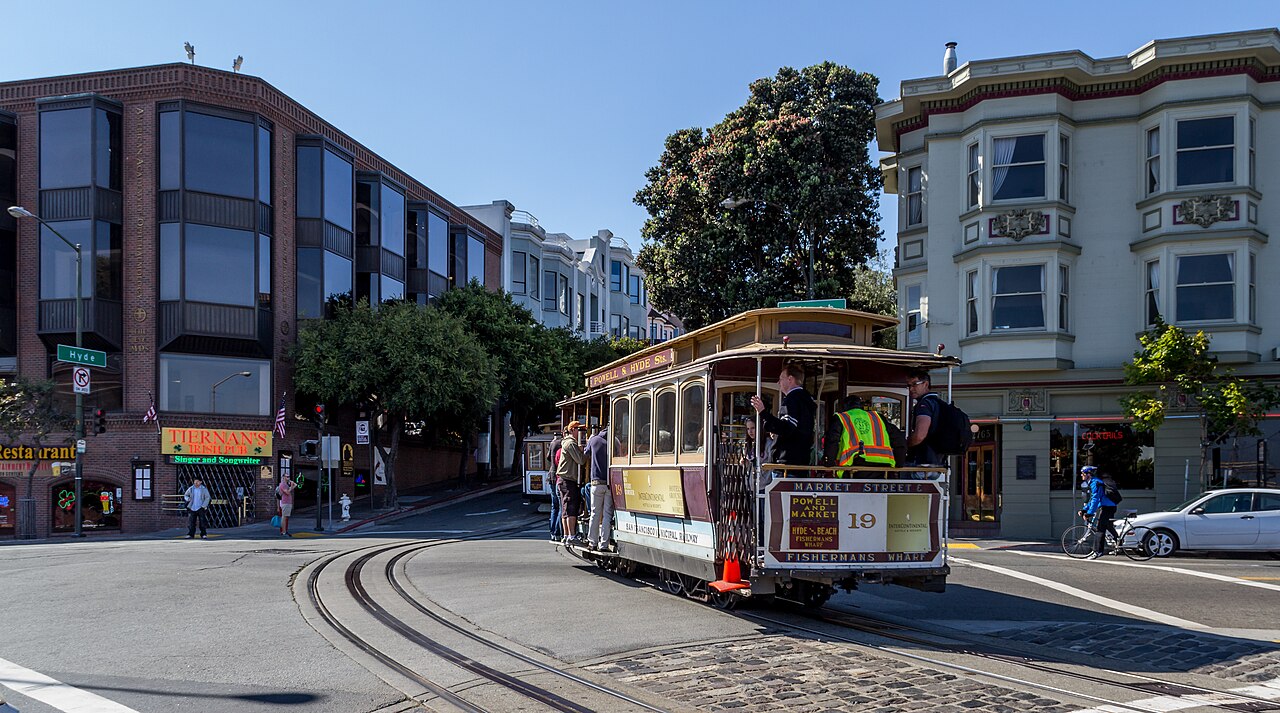
The nine-county San Francisco Bay Area lost more than 180,000 residents between 2020 and 2022, according to U.S. Census Bureau estimates, with San Francisco proper recording one of the steepest percentage declines of any major American city during the pandemic. While outmigration has slowed significantly — and in some quarters reversed modestly — the cumulative demographic hole has not been filled. The metropolitan statistical area, which includes San Francisco, Oakland, and Berkeley, counted approximately 4.57 million residents in 2020 and remains meaningfully below that mark today, even as sunbelt rivals like Austin, Phoenix, and Tampa have posted substantial gains.
The paradox at the heart of the city’s recovery is striking: San Francisco has emerged as the undisputed global capital of the artificial intelligence industry. Firms including OpenAI, Anthropic, Scale AI, and Databricks have signed massive office leases, and AI-related venture capital has flowed into the region at historic rates. Yet these high-paying jobs have not translated into proportional population growth, in part because many of the companies operate with lean headcounts, and in part because workers hired from elsewhere often retain remote or hybrid arrangements rather than relocating full-time. Meanwhile, entire segments of the pre-pandemic workforce — particularly middle-income families and service workers — have departed for more affordable regions such as Sacramento, the Central Valley, and out-of-state destinations like Texas, Nevada, and Idaho.
📚 Background & Context
San Francisco had been steadily losing net domestic migrants even before 2020, but COVID accelerated the trend dramatically. The median home price in the city exceeds $1.3 million, and average one-bedroom rents remain among the highest in the nation. The city’s tax base, which relies heavily on downtown commercial property values and high-earner income taxes, has faced serious strain as a result.
City officials under Mayor Daniel Lurie, who took office in January 2025, have launched initiatives aimed at revitalizing downtown through tax incentives, office-to-residential conversions, and expanded public safety measures. Whether these efforts, combined with organic growth from the AI sector, can restore the metro area’s population to its pre-pandemic peak remains an open question. Demographers note that cities historically take a decade or more to fully recover from major population shocks, and the structural shift toward remote and hybrid work may permanently alter the calculus of where knowledge workers choose to live.
💬 What People Are Saying
Based on public reaction across social media and news platforms, here is the general consensus on this story:
- 🔴Conservative commentators frame the stalled recovery as evidence that progressive governance, high taxes, and lax public safety enforcement have produced lasting damage that tech wealth alone cannot undo.
- 🔵Liberal voices emphasize the structural role of housing costs and the remote-work revolution, arguing that the city’s challenge is one of affordability and supply, and that aggressive zoning reform is the path back to growth.
- 🟠Centrists and urban policy analysts largely agree that San Francisco faces a combination of housing, governance, and post-pandemic workplace challenges that no single fix — including the AI boom — will resolve quickly.
Note: Social reactions represent general public sentiment and do not reflect Political.org’s editorial position.
Photo: San Francisco via Wikipedia / Wikimedia Commons
Photo: Dietmar Rabich via Wikimedia Commons
Political.org
Nonpartisan political news and analysis. Fact-based reporting for informed citizens.





Leave a comment