



Spirit Airlines is confronting a potentially fatal turn in its second Chapter 11 bankruptcy in under a year, as rising jet fuel prices, skeptical creditors, and a shrinking cash runway raise the specter of outright liquidation. The Florida-based ultra-low-cost carrier filed for bankruptcy protection in August 2025, roughly five months after emerging from its previous reorganization, and now faces mounting pressure to prove its business model remains viable.
◉ Key Facts
- ►Spirit Airlines filed for Chapter 11 bankruptcy in August 2025, its second filing in less than 12 months.
- ►Rising jet fuel costs and weaker-than-projected revenue have strained the carrier’s restructuring plan.
- ►Creditors are reportedly growing concerned about the airline’s ability to generate sustainable cash flow.
- ►A proposed merger with JetBlue was blocked by a federal judge in January 2024 on antitrust grounds.
- ►Liquidation would mark one of the largest U.S. airline failures since the post-deregulation era.
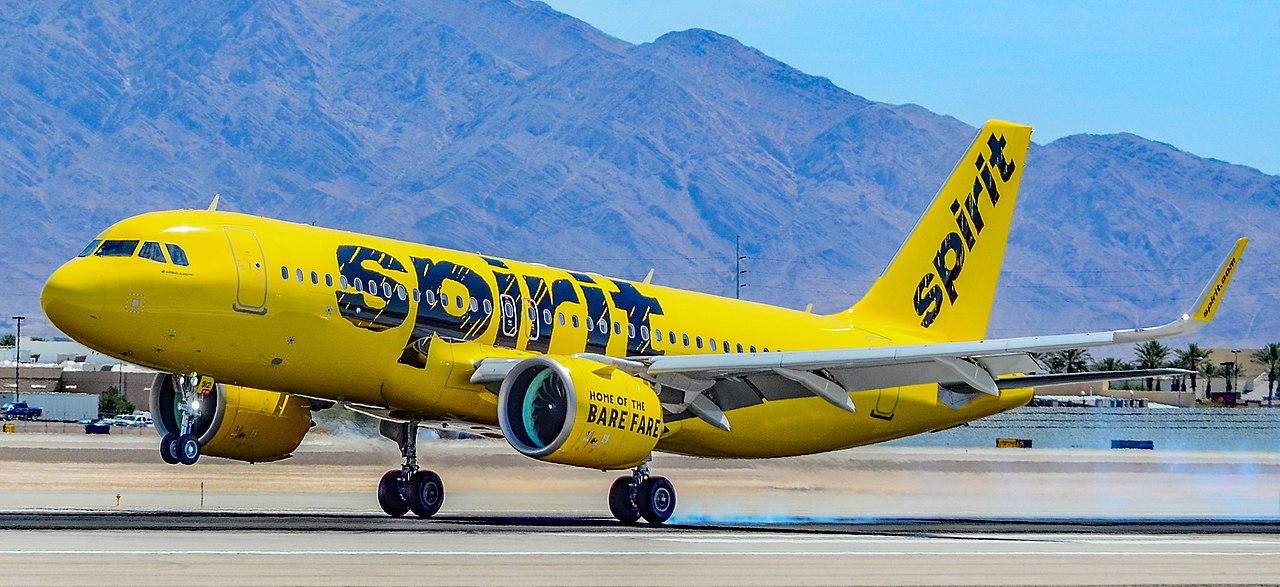
Spirit Airlines, headquartered in Dania Beach, Florida, has long been synonymous with the ultra-low-cost carrier (ULCC) model in the United States, offering rock-bottom base fares paired with a la carte fees for seat selection, baggage, and onboard refreshments. That formula propelled rapid growth throughout the 2010s, but the post-pandemic era has been punishing. A surge in operating costs, the grounding of dozens of aircraft due to Pratt & Whitney GTF engine defects, soft leisure demand on key domestic routes, and aggressive competition from larger carriers offering their own basic economy fares have combined to erode Spirit’s pricing advantage. The airline’s first Chapter 11 filing, in November 2024, was framed as a balance-sheet restructuring, but the company emerged in early 2025 with many operational challenges unresolved.
The second filing reflects how quickly those challenges compounded. Jet fuel, historically the single largest variable cost for any airline, has climbed alongside global crude prices, while unit revenues have failed to keep pace. Creditors who accepted equity stakes and reduced payouts during the first restructuring are now watching the value of those concessions erode, and any proposal for additional debtor-in-possession financing will face heightened scrutiny. Industry analysts note that serial bankruptcies rarely end in successful reorganization; more often they culminate in asset sales, fleet dispersal, or wind-down proceedings.
📚 Background & Context
Spirit’s troubles intensified after a federal judge blocked its $3.8 billion merger with JetBlue Airways in January 2024, citing antitrust concerns over consumer harm. That ruling, sought by the Department of Justice, eliminated what executives had viewed as the carrier’s most viable long-term path and left Spirit to navigate a hostile cost environment alone. The last major U.S. airline liquidations occurred during the 1990s and early 2000s, including Eastern, Pan Am, and TWA’s effective dissolution via sale.
What comes next hinges on bankruptcy court proceedings in the coming weeks. Spirit must present a credible revised business plan to secure continued financing, potentially involving further fleet reductions, route cuts at underperforming hubs, and labor concessions. Alternative scenarios include a piecemeal sale of aircraft leases, gates, and slots to competitors such as Frontier Airlines, which pursued a merger with Spirit in 2022 before being outbid by JetBlue. A full liquidation would displace thousands of employees, strand ticketed passengers, and reduce competitive capacity in markets—particularly in the Caribbean, Latin America, and Florida—where Spirit holds significant share. Regulators, labor unions, and airport authorities are closely monitoring developments.
💬 What People Are Saying
Based on public reaction across social media and news platforms, here is the general consensus on this story:
- 🔴Conservative commentators point to the blocked JetBlue merger as evidence that aggressive federal antitrust enforcement can produce unintended consequences, including the potential collapse of the company regulators claimed to be protecting.
- 🔵Liberal-leaning voices emphasize worker protections, potential pension and severance implications, and argue Spirit’s fee-heavy business model had long strained consumers regardless of the current financial outcome.
- 🟠The broader traveling public has expressed concern about reduced competition and higher fares, particularly on leisure routes where Spirit historically disciplined pricing from legacy carriers.
Note: Social reactions represent general public sentiment and do not reflect Political.org’s editorial position.
Photo: Spirit Airlines via Wikipedia / Wikimedia Commons
Photo: Tomás Del Coro via Wikimedia Commons
Political.org
Nonpartisan political news and analysis. Fact-based reporting for informed citizens.





Leave a comment