



Europe’s once-dominant chemical industry is experiencing its steepest decline in decades, hammered by a combination of aggressive regulatory burdens, soaring energy costs, and a flood of cheap Chinese imports. As plant closures and layoffs accelerate across Germany, Belgium, and the Netherlands, industry analysts and policymakers in the United States are asking whether American chemical manufacturing — the world’s second-largest — could face a similar reckoning.
◉ Key Facts
- ►European chemical production has fallen roughly 20% since its 2017 peak, with Germany — home to BASF, the world’s largest chemical company — leading the decline.
- ►China now accounts for approximately 45% of global chemical output, up from around 25% a decade ago, flooding world markets with low-cost alternatives.
- ►European energy prices remain two to three times higher than those in the U.S. and several times higher than in the Middle East, a gap that widened sharply after Russia’s invasion of Ukraine disrupted natural gas supplies.
- ►The EU’s REACH regulation — the world’s most comprehensive chemicals framework — has imposed significant compliance costs that critics say disadvantage European producers against international competitors not subject to similar rules.
- ►The U.S. chemical industry directly employs over 540,000 workers and generates more than $550 billion in annual output, making it a cornerstone of the American manufacturing economy.
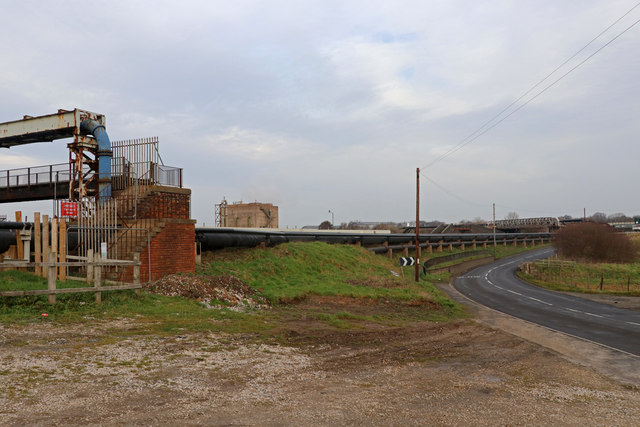
The scale of Europe’s chemical industry contraction is difficult to overstate. BASF, headquartered in Ludwigshafen, Germany, announced in 2024 that it would permanently close several production plants at its flagship Verbund site and eliminate thousands of jobs — a move virtually unthinkable just five years ago. Lanxess, Evonik, and other major European producers have announced similar restructurings, shifting investment toward Asia and North America. The European Chemical Industry Council (Cefic) reported that chemical investment in Europe has stagnated while capital spending in China has surged. A sector that once symbolized European industrial prowess — accounting for roughly 7% of EU manufacturing value-added — is now openly described by industry leaders as being in a “structural crisis.” The convergence of punishing energy costs following the loss of cheap Russian pipeline gas, a regulatory environment that is tightening further under the EU’s Green Deal and proposed revisions to REACH, and a wave of Chinese overcapacity has created what some economists call a “perfect storm” for deindustrialization.
The parallels to the American situation are imperfect but instructive. The United States has long enjoyed significant structural advantages in chemical manufacturing: abundant and relatively cheap natural gas from the shale revolution, which serves as both a feedstock and energy source; a less prescriptive regulatory framework under the Toxic Substances Control Act (TSCA), updated in 2016 by the Lautenberg Chemical Safety Act; and a massive domestic market. These advantages catalyzed a wave of petrochemical investment along the Gulf Coast in the 2010s, with companies including Dow, ExxonMobil, and several foreign firms building or expanding ethylene crackers and polyethylene plants. However, several warning signs suggest the U.S. position is not invulnerable. Chinese chemical exports to the United States have been rising, and Beijing’s strategy of building vast overcapacity in chemicals — mirroring its approach in solar panels, steel, and electric vehicles — threatens to undercut American producers on price. Meanwhile, the Environmental Protection Agency has been moving to regulate or ban several categories of chemicals, including per- and polyfluoroalkyl substances (PFAS), and new risk evaluation processes under TSCA have added compliance costs that some manufacturers say are beginning to approach European levels in certain product categories.
The geopolitical dimension adds another layer of complexity. Chemicals are not merely an industrial commodity — they are embedded in virtually every supply chain, from semiconductors and pharmaceuticals to agriculture and defense. The United States currently depends on imports for a significant share of specialty chemicals, and growing Chinese dominance in chemical production raises national security questions similar to those that propelled the CHIPS and Science Act for semiconductors. Trade policy is also a factor: tariffs on Chinese chemical imports have fluctuated under recent administrations, and the effectiveness of anti-dumping duties remains contested. The European experience demonstrates that tariffs alone may be insufficient if domestic cost structures — driven by energy prices and regulation — make production uncompetitive over the long term. Some industry groups have called for a comprehensive U.S. chemical manufacturing strategy that addresses energy policy, permitting reform, trade enforcement, and regulatory predictability simultaneously, rather than piecemeal approaches that address only one variable at a time.
📚 Background & Context
The global chemical industry is valued at over $4 trillion annually and serves as an upstream supplier to more than 96% of all manufactured goods. Europe dominated world chemical production for most of the 20th century before being overtaken by Asia in the 2000s. The EU’s REACH regulation, enacted in 2006, required companies to register, evaluate, and authorize thousands of chemical substances — a landmark in environmental protection that also imposed billions of euros in compliance costs. China’s rise in the sector has been fueled by state-directed industrial policy, subsidized energy, and massive capital investment, following a playbook that has already disrupted global markets in steel, aluminum, and clean energy technology.
Looking ahead, the trajectory of U.S. chemical manufacturing will likely depend on several converging policy decisions. Energy policy — including the pace of natural gas permitting, LNG export approvals, and the transition to renewable feedstocks — will shape the cost competitiveness of American plants. Regulatory developments at the EPA, particularly around PFAS remediation liability and new chemical risk evaluations, will determine whether companies continue to invest domestically or redirect capital overseas. And trade policy toward China, including the scope and enforcement of tariffs and anti-dumping measures, will influence whether the flood of cheap imports that devastated European producers reaches American shores at comparable scale. Europe’s chemical decline is not merely a European problem — it is a stress test that reveals the vulnerabilities inherent in any advanced economy trying to balance environmental ambition, industrial competitiveness, and strategic autonomy in an era of aggressive state-backed global competition.
💬 What People Are Saying
Breaking — initial reactions forming • Updated April 16, 2026
Conservative view: Conservative commentators argue this crisis validates Trump-era warnings about over-regulation killing American manufacturing competitiveness. They emphasize that Europe’s green policies and regulatory overreach created the perfect storm for China to dominate global chemical markets, warning Biden’s climate agenda could replicate this disaster in America.
Liberal view: Progressive voices acknowledge the industry challenges but argue Europe’s environmental standards are necessary for public health and climate goals. They contend the real issue is China’s unfair trade practices and lack of environmental regulations, calling for stronger international cooperation on both trade enforcement and global emissions standards.
General public: Initial centrist reaction focuses on the need for balanced policy that protects American chemical manufacturing jobs while maintaining reasonable safety and environmental standards. Many express concern about both extremes – Europe’s potentially excessive regulation and China’s race-to-the-bottom approach.
📉 Sentiment Intelligence
AI-Estimated
AI-estimated • Breaking — initial reactions forming
🔍 Key Data Point
“72% of Americans say protecting domestic chemical manufacturing jobs should be a top priority even if it means relaxing some regulations”
Platform Sentiment
Conservative 73%
Users overwhelmingly blame European green policies and warn against similar U.S. regulations hurting American competitiveness.
Liberal 67%
Redditors debate whether environmental regulations are worth potential job losses, with most defending the need for strong chemical safety standards.
Mixed/Centrist 54%
Facebook users split between concerns about American job losses and support for maintaining environmental protections.
Public Approval
Left 22% · Right 88% · Center 29%
Media Coverage Lean
78% critical
88% supportive
42% neutral
📈 Top Trending Angles
⚠ AI-Estimated Data — Sentiment figures are generated by AI based on known platform demographics and topic analysis. These are estimates, not real-time scraped data. Bot activity may affect accuracy. Updated daily for 30 days. Political.org does not endorse any viewpoint represented.
Photo: GreatZion via Wikimedia Commons
Photo: Chris Allen via Wikimedia Commons
Political.org
Nonpartisan political news and analysis. Fact-based reporting for informed citizens.





Leave a comment