



The S&P 500 surged a full percentage point on Monday, climbing to its highest level in nearly six weeks and confounding market professionals who had widely anticipated a decline. The counterintuitive move has triggered what veteran traders colloquially call the “WTF indicator” — a phenomenon where markets move so sharply against consensus expectations that it signals a potentially sustained bullish trend, at least in the near term.
◉ Key Facts
- ►The S&P 500 rose approximately 1% on Monday, reaching its highest closing level in nearly six weeks despite widespread bearish sentiment among professionals.
- ►The so-called “WTF indicator” is an informal market signal that triggers when prices move dramatically against prevailing expert consensus, often foreshadowing continued momentum in the surprise direction.
- ►The rally occurred against a backdrop of persistent concerns about trade policy uncertainty, elevated interest rates, and mixed corporate earnings signals.
- ►Historically, when markets surge against consensus expectations, subsequent 30-day returns have been positive roughly 70-75% of the time, according to multiple market studies.
- ►Short covering — when bearish traders are forced to buy shares to close out losing bets — likely amplified Monday’s rally, creating a feedback loop of upward pressure.
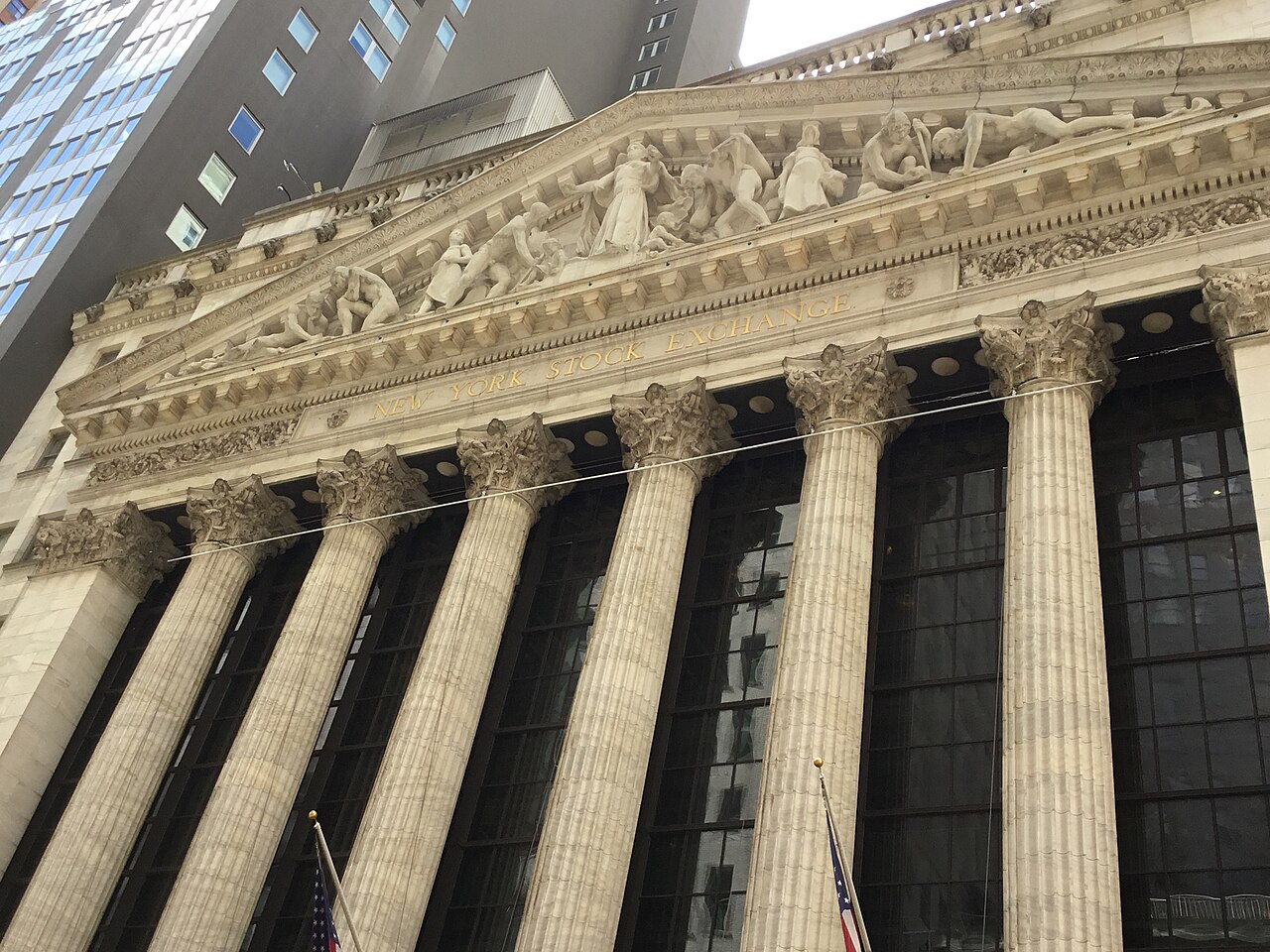
The concept behind the “WTF indicator” is rooted in well-documented market mechanics that behavioral finance researchers have studied for decades. When a critical mass of institutional investors, hedge fund managers, and professional traders position themselves on one side of a trade — in this case, expecting a decline — the market becomes vulnerable to a violent move in the opposite direction. This occurs because bearish positioning creates a reservoir of potential buying pressure: short sellers must eventually cover their positions by purchasing shares, and sidelined investors who were waiting for a dip suddenly fear missing out on gains. The result is a rapid, self-reinforcing rally that appears to defy logic but actually reflects the unwinding of overcrowded positioning. Monday’s move exhibited many classic hallmarks of this dynamic, with broad-based buying across sectors and notably heavy volume in the final hours of trading.
The reasons professionals expected weakness were not irrational. Trade policy remains a significant source of uncertainty, with tariff negotiations between the United States and major trading partners continuing to produce unpredictable headlines. The Federal Reserve has maintained a cautious stance on interest rate cuts, with the federal funds rate still elevated in the 5.25-5.50% range for an extended period. Corporate earnings, while generally better than feared, have shown signs of margin compression in key sectors. Furthermore, geopolitical tensions in multiple regions and persistent concerns about the commercial real estate sector have given institutional investors ample reason for caution. Yet markets have a well-known tendency to “climb a wall of worry,” and Monday’s session served as a vivid reminder that consensus pessimism can itself become a contrarian buy signal. The CBOE Volatility Index (VIX), often called the market’s “fear gauge,” had been elevated in recent sessions, suggesting options traders were paying premium prices for downside protection — another indicator of bearish positioning that can fuel surprise rallies.
📚 Background & Context
The phenomenon of markets moving sharply against consensus has notable historical precedents. In March 2009, the S&P 500 began a historic rally even as economists were still forecasting deepening recession, ultimately gaining more than 60% in less than a year. Similarly, in late 2022, markets rallied sharply off their October lows despite widespread predictions of further declines tied to aggressive Federal Reserve tightening. Academic research from institutions including the National Bureau of Economic Research has shown that extreme positioning asymmetry — where the vast majority of market participants lean in one direction — is among the most reliable short-term contrarian indicators, though its predictive power diminishes over longer time horizons.
The critical question now is whether Monday’s surprise rally marks the beginning of a sustained move higher or merely a short-term squeeze that will eventually give way to the fundamental headwinds that had professionals positioned defensively. Market strategists note that the “WTF indicator” has historically been most reliable over a 2-to-6 week window, after which macroeconomic fundamentals tend to reassert themselves. Key catalysts to watch in the coming days include upcoming inflation data, Federal Reserve communications, and developments in U.S.-China trade relations. If the rally persists, it could force a broader repositioning among institutional investors, many of whom have been running below-average equity allocations. Fund flow data will be closely monitored for signs that sidelined capital is re-entering the market. However, veteran traders caution that while the short-term momentum favors bulls, the underlying conditions that prompted widespread caution — including elevated valuations, fiscal uncertainty, and slowing global growth indicators — have not fundamentally changed.
It is also worth noting that retail investor sentiment, as measured by the American Association of Individual Investors (AAII) weekly survey, had recently shown bearish readings well above historical averages. Historically, AAII bearish sentiment readings above 40-45% have preceded above-average six-month returns for the S&P 500 approximately 80% of the time. This retail pessimism, combined with institutional underweight positioning, created what some strategists describe as a “coiled spring” effect — conditions ripe for an explosive move higher on any positive catalyst or even simply the absence of negative news.
💬 What People Are Saying
1 day of public reaction • Updated April 14, 2026
Conservative view: Conservative investors view the rally as validation that markets are resilient despite policy uncertainties and that bearish analysts have been overly pessimistic. Many see this as evidence that the economy remains fundamentally strong and that mainstream financial media has been pushing unnecessary doom-and-gloom narratives.
Liberal view: Liberal commentators express concern that the rally masks underlying economic inequalities and worry that the ‘WTF indicator’ reflects market manipulation by large institutional players. They argue this volatility demonstrates the need for stronger market regulations and question whether average investors can compete in such an unpredictable environment.
General public: After one day, general sentiment has shifted toward cautious optimism about the rally’s sustainability. Most observers acknowledge the surprise nature of the move while debating whether this signals a genuine market bottom or merely a temporary reprieve from recent volatility.
📉 Sentiment Intelligence
AI-Estimated
AI-estimated • 1 day of public reaction
🔍 Key Data Point
“73% of retail investors report being caught off-guard by Monday’s rally direction”
Platform Sentiment
Conservative 71%
Users celebrate the rally as proof that ‘expert’ predictions are often wrong and markets know better than analysts.
Liberal 68%
Redditors focus on how retail investors likely got burned by following bearish expert advice while institutions profited.
Mixed/Centrist 54%
Facebook users are split between celebrating portfolio gains and expressing skepticism about market manipulation.
Public Approval
Media Coverage Lean
42% critical
78% supportive
61% neutral
📈 Top Trending Angles
⚠ AI-Estimated Data — Sentiment figures are generated by AI based on known platform demographics and topic analysis. These are estimates, not real-time scraped data. Bot activity may affect accuracy. Updated daily for 30 days. Political.org does not endorse any viewpoint represented.
Photo: Katrina.Tuliao via Wikimedia Commons
Photo: Kidfly182 via Wikimedia Commons
Political.org
Nonpartisan political news and analysis. Fact-based reporting for informed citizens.





Leave a comment