



Muslim constituents in Texas’s 21st Congressional District are responding with a mix of alarm and weary resignation to Rep. Chip Roy’s intensifying legislative and rhetorical campaign against Islam, which has included efforts to ban the religion’s text from military chaplaincy and repeated public statements characterizing the faith as incompatible with American values. Residents and community leaders in the sprawling district — which stretches from Austin to San Antonio and includes a significant and growing Muslim population — say their own elected representative has made them feel targeted in their homeland.
◉ Key Facts
- ►Rep. Chip Roy (R-TX-21) has introduced multiple measures targeting Islam, including legislation to remove the Quran from military chaplain programs and efforts to defund diversity initiatives that include Muslim outreach.
- ►Texas’s 21st Congressional District spans parts of Austin, San Antonio, and the Hill Country, home to thousands of Muslim families and multiple established mosques and Islamic centers.
- ►Muslim constituents in the district report feeling singled out by their own representative, with some describing the rhetoric as contributing to a climate of hostility and suspicion.
- ►Roy, first elected in 2018, has positioned himself as one of the most outspoken members of the House Freedom Caucus, frequently citing national security concerns in his critiques of Islam.
- ►The Muslim population in Texas has grown significantly over the past two decades, with an estimated 800,000 or more Muslims now residing in the state, making it one of the largest Muslim communities in the United States.
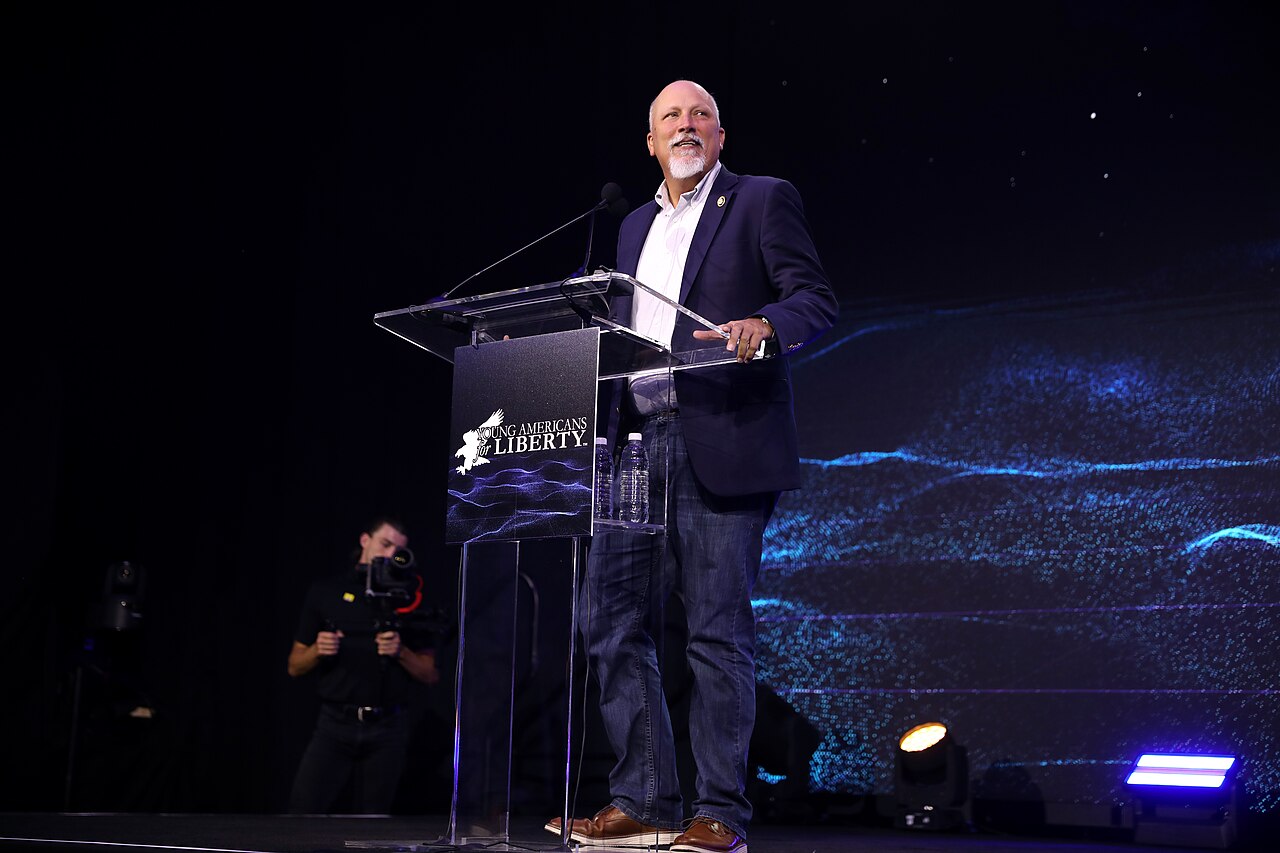
Rep. Chip Roy’s campaign against Islam is not a single isolated statement but rather a sustained legislative and rhetorical effort that has escalated over multiple congressional sessions. Roy has used his platform on the House Judiciary Committee and the House Rules Committee to advance measures that critics say single out one religion for government disfavor — a posture that constitutional scholars note raises serious First Amendment concerns. His proposals have included attempts to bar the Quran from being used by military chaplains serving Muslim service members, efforts to investigate Muslim organizations operating in the United States, and floor speeches drawing broad associations between Islam and terrorism. Roy has framed these actions as necessary responses to national security threats, pointing to global Islamist extremism. But for the Muslim families living in his own district — doctors, engineers, teachers, small business owners, and military veterans among them — the congressman’s words and actions carry a far more personal sting. Community leaders in Austin and San Antonio describe fielding anxious calls from parents worried about their children facing bullying, and from congregants questioning whether they are safe attending Friday prayers.
The reaction within the Muslim community in TX-21 is notably layered. While some residents express genuine fear about the normalization of anti-Muslim sentiment at the federal level, others respond with a certain weariness — eye-rolls born of having weathered similar rhetoric cycles before, from the post-9/11 era through the 2015-2016 campaign season when anti-Muslim proposals became a feature of Republican primary politics. Several community members interviewed for this reporting emphasized that they are deeply rooted Texans who have contributed to their communities for decades and refuse to be defined by a congressman’s political strategy. Local interfaith coalitions, including prominent Christian and Jewish leaders in the Austin-San Antonio corridor, have publicly pushed back, issuing statements defending their Muslim neighbors and arguing that targeting any single faith undermines religious liberty for all Americans. Civil liberties organizations have also flagged Roy’s efforts, noting that singling out a specific religious text for exclusion from government chaplaincy programs would represent an unprecedented breach of the Establishment Clause and the Free Exercise Clause of the First Amendment.
📚 Background & Context
Anti-Muslim rhetoric in American politics surged after the September 11, 2001, attacks and has experienced recurring waves, most notably during the 2015-2016 presidential campaign when a proposed “Muslim ban” became a central policy platform. The FBI’s annual hate crime statistics have consistently shown that anti-Muslim incidents spike in correlation with elevated political rhetoric targeting the faith community. Texas is home to one of the fastest-growing Muslim populations in the country, with major Islamic centers in Dallas-Fort Worth, Houston, Austin, and San Antonio serving as anchors for communities that include both longstanding immigrant families and a growing number of American-born converts.
Roy’s approach also has implications beyond his district. As a member of the House Freedom Caucus — one of the most influential blocs in the Republican conference — his legislative proposals can signal the direction of broader conservative policy priorities. Whether his anti-Islam measures gain traction in committee or on the House floor will be a bellwether for how far the current Congress is willing to go in singling out a specific religious group. For now, Muslim constituents in TX-21 say they are organizing: registering voters, attending town halls when they can gain access, and building alliances with neighbors of all faiths. Several community organizers noted that they plan to make the 2026 midterm cycle a turning point, working to ensure their voices are represented in a district that has historically seen relatively low turnout among minority communities. The question ahead is whether Roy’s posture galvanizes opposition or whether the normalization of anti-Muslim rhetoric continues to erode the boundaries of acceptable political discourse in American life.
💬 What People Are Saying
Based on public reaction across social media and news platforms, here is the general consensus on this story:
- 🔴Conservative commentators are largely divided: some support Roy’s framing of his efforts as national security measures and praise him for “saying what others won’t,” while others — particularly libertarian-leaning conservatives — warn that government action targeting a specific religion sets a dangerous constitutional precedent that could eventually be turned against Christian communities.
- 🔵Progressive and liberal voices have condemned Roy’s campaign as Islamophobic and unconstitutional, drawing parallels to historical episodes of religious and ethnic targeting in the United States, including Japanese internment and anti-Catholic sentiment in the 19th century. Many are calling for formal censure and urging Muslim and allied voters to mobilize ahead of the next election.
- 🟠The broader public reaction has centered on discomfort with the idea of an elected official targeting constituents of a specific faith. Many commenters — regardless of political affiliation — express the view that a congressman’s job is to represent all residents of their district and that singling out any religious group undermines the foundational American principle of religious freedom.
Note: Social reactions represent general public sentiment and do not reflect Political.org’s editorial position.
Photo: Gage Skidmore via Wikimedia Commons
Photo: Gage Skidmore via Wikimedia Commons
Political.org
Nonpartisan political news and analysis. Fact-based reporting for informed citizens.





Leave a comment