



Maryland Governor Wes Moore has publicly challenged the credibility and motives of the Baltimore Sun ahead of an anticipated investigative report examining his personal biography and military service record. The governor and his spokesperson have characterized the newspaper’s forthcoming coverage as politically motivated, pointing to the outlet’s relatively new ownership group, which they describe as having a right-wing editorial orientation — a move widely seen as an attempt to preemptively discredit the reporting before it reaches the public.
◉ Key Facts
- ►Gov. Wes Moore and his communications team have publicly attacked the Baltimore Sun’s credibility ahead of an expected investigative exposé into his personal and military background.
- ►Moore’s spokesperson has specifically targeted the newspaper’s ownership as “right-wing,” framing the forthcoming investigation as ideologically driven rather than journalistic.
- ►The Baltimore Sun was purchased in 2024 by David D. Smith, executive chairman of Sinclair Broadcast Group, a media company long associated with conservative editorial leanings.
- ►Moore, a rising figure in the Democratic Party and frequently mentioned as a potential future presidential candidate, has built his political brand heavily around his personal biography, including his military service in Afghanistan.
- ►The preemptive approach mirrors a broader trend in American politics where public officials challenge the messenger before unfavorable coverage is published.
The confrontation between the governor’s office and Maryland’s most prominent newspaper represents a significant escalation in tensions that have been building since the Baltimore Sun changed hands. In early 2024, David D. Smith — the executive chairman of Sinclair Broadcast Group, which operates one of the largest portfolios of local television stations in the United States — completed his acquisition of the Sun from its previous owner, the Tribune Publishing chain (which itself had been acquired by Alden Global Capital). Smith’s purchase raised immediate concerns among journalists and media observers. Sinclair has long drawn scrutiny for requiring its local stations to air conservative-leaning editorial segments, and critics feared the Sun’s newsroom independence could be compromised. The Sun’s editorial leadership has undergone notable changes since the acquisition, and the newspaper has made several hires perceived as shifting the paper’s ideological center of gravity. It is within this environment that the paper’s journalists have reportedly been assembling an investigative report focused on Moore’s biography and military service.
Wes Moore’s political identity is inextricable from his personal narrative. A graduate of Johns Hopkins University and a Rhodes Scholar at Oxford, Moore served as a captain in the U.S. Army’s 82nd Airborne Division and deployed to Afghanistan. He later became a bestselling author with his memoir “The Other Wes Moore,” which contrasted his life trajectory with that of another man of the same name who was convicted of murder. Moore subsequently led the Robin Hood Foundation, one of New York City’s largest anti-poverty organizations, before returning to Maryland to run for governor. He won the 2022 gubernatorial race decisively, becoming the first Black governor in Maryland history and only the third Black person elected governor of any U.S. state. His compelling life story has been central to every phase of his public career, which makes any scrutiny of the details within that narrative particularly sensitive. Questions about elements of his military record and biographical claims are not entirely new; during his 2022 campaign, some opponents and commentators raised questions about the characterization of certain aspects of his service, though those questions did not gain significant traction at the time.
📚 Background & Context
The tactic of preemptively attacking news organizations before damaging stories are published has become increasingly common across the political spectrum. In recent decades, politicians from both parties have sought to undermine unfavorable coverage by questioning the motives, ownership, or ideological leanings of the outlet conducting the investigation. The strategy is designed to prime supporters to dismiss findings before they can be independently evaluated, and research in political communication suggests it can be effective in polarizing public reception of investigative journalism. The Moore administration’s specific focus on ownership rather than factual rebuttals is consistent with this pattern.
The stakes of this confrontation extend well beyond Maryland. Moore has been discussed with growing frequency in national Democratic circles as a potential candidate for higher office, including the presidency. His youth — he is 46 — his military background, and his charismatic public persona have drawn comparisons to Barack Obama’s early political trajectory. Any sustained challenge to the accuracy of his personal biography could have lasting political ramifications, as biographical authenticity has proven to be a potent vulnerability for politicians. Historical precedents are instructive: Connecticut Senator Richard Blumenthal’s 2010 campaign was significantly damaged by revelations that he had misrepresented aspects of his Vietnam-era military service, though he ultimately won election. Similarly, questions about John Kerry’s military record, amplified by the Swift Boat Veterans campaign in 2004, played a measurable role in that presidential contest. Whether the Baltimore Sun’s investigation produces findings of comparable significance remains to be seen, as the report has not yet been published.
What happens next will depend largely on the substance of the Baltimore Sun’s reporting. If the investigation surfaces verifiable discrepancies in Moore’s record, the governor’s preemptive attacks on the newspaper’s credibility will face scrutiny as deflection. If the report fails to produce significant new findings, Moore’s team may claim vindication and use the episode to further argue that the paper’s new ownership is pursuing a political agenda. Media watchdog organizations, political analysts, and Maryland voters will all be watching closely — not only for what the reporting reveals, but for how both sides handle the aftermath. The episode also raises broader questions about the role of newspaper ownership in shaping public trust and whether preemptive attacks on press credibility, regardless of which party employs them, ultimately erode the accountability function of journalism in American democracy.
💬 What People Are Saying
Based on public reaction across social media and news platforms, here is the general consensus on this story:
- 🔴Conservative commentators argue that Moore’s preemptive attack on the newspaper is itself evidence that the forthcoming investigation may contain damaging material. Many on the right contend that if Moore’s record is clean, he should welcome scrutiny rather than attempt to discredit the source. They also note that Democrats routinely accept investigative reporting from outlets with identifiable ideological leanings when it targets Republican officials, making this pushback appear selective.
- 🔵Liberal voices have largely rallied behind Moore, arguing that Sinclair’s well-documented history of injecting conservative editorial content into its media properties makes skepticism of the Baltimore Sun’s new editorial direction entirely reasonable. Some progressive commentators have framed the investigation as part of a broader conservative effort to damage a rising Black Democratic political figure ahead of potential future campaigns.
- 🟠The broader public and centrist observers appear to be largely in a wait-and-see posture, noting that the actual contents of the investigation have not yet been published. Many commentators across the ideological spectrum have urged judgment to be withheld until the reporting is available, while expressing concern that attacking newspapers before publication — regardless of who does it — sets a troubling precedent for press freedom and accountability journalism.
Note: Social reactions represent general public sentiment and do not reflect Political.org’s editorial position.
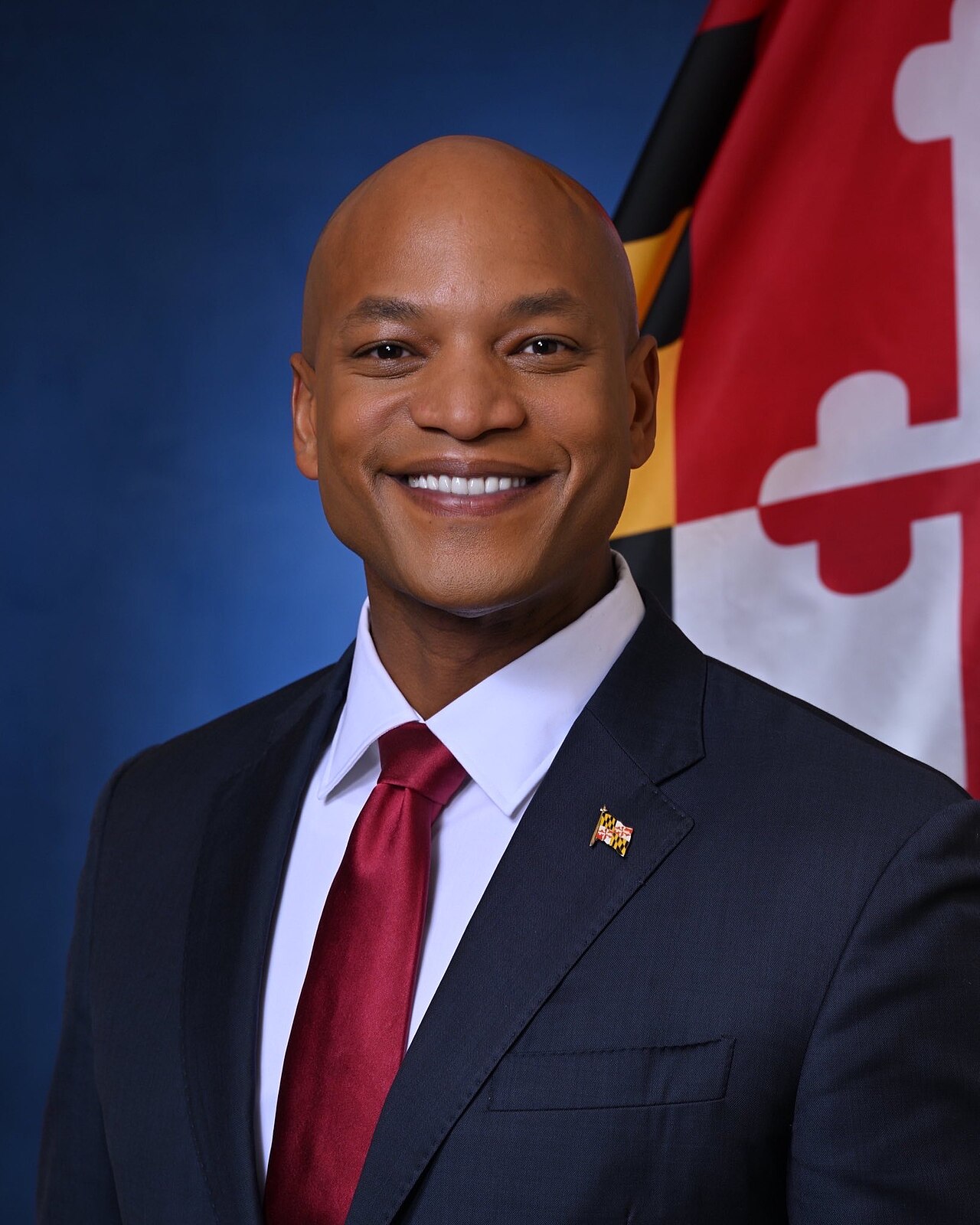
Photo: Wes Moore via Wikipedia / Wikimedia Commons
Photo: Maryland State Government via Wikimedia Commons
Political.org
Nonpartisan political news and analysis. Fact-based reporting for informed citizens.


Leave a comment