



The Princess of Wales made her traditional Easter appearance at St. George’s Chapel, Windsor Castle, accompanied by Prince William and their three children in a display of royal continuity following recent months of intense public speculation about the monarchy’s future.
◉ Key Facts
- ►The royal family attended the traditional Easter Mattins Service at St. George’s Chapel, Windsor Castle
- ►Kate Middleton wore a cream-colored outfit, maintaining her signature elegant style for formal royal occasions
- ►All three Wales children – Prince George, Princess Charlotte, and Prince Louis – accompanied their parents
- ►The appearance marks the continuation of royal Easter traditions dating back centuries
- ►The service at St. George’s Chapel holds special significance as the burial place of Queen Elizabeth II and Prince Philip
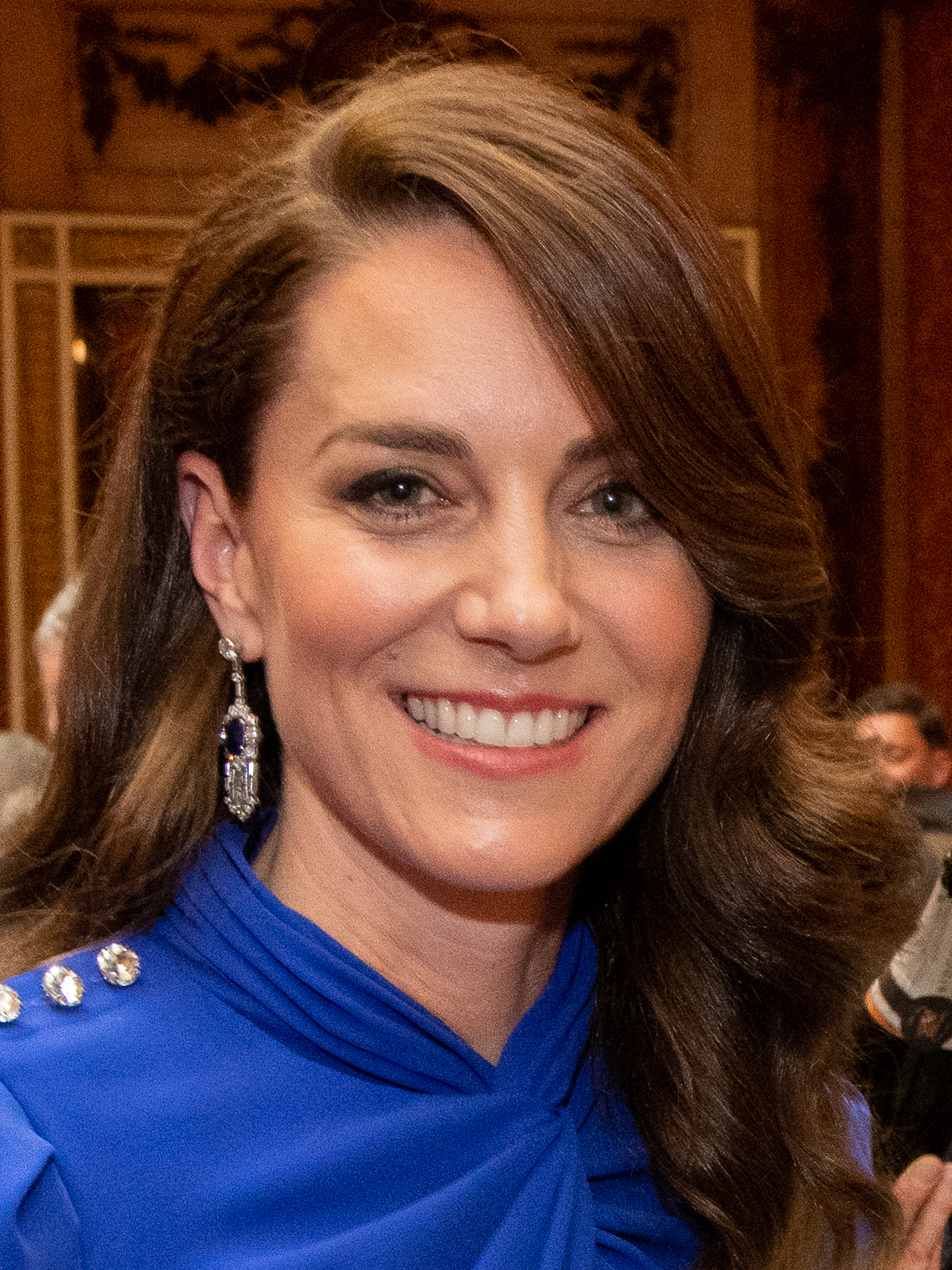
The Easter service appearance represents more than a simple religious observance for the royal family. It serves as a carefully orchestrated public display of stability and continuity at a time when the monarchy faces unprecedented scrutiny. The choice of St. George’s Chapel, where both Queen Elizabeth II and Prince Philip are interred, adds layers of symbolic meaning to the occasion. The chapel, which has hosted royal weddings, funerals, and ceremonies for over 500 years, remains central to the Windsor family’s public religious life. The Princess of Wales’s fashion choices at such events are particularly scrutinized, as they often convey subtle messages about the monarchy’s image and values.
The presence of all three Wales children at the service marks a significant moment in their gradual introduction to public royal duties. Prince George, now 10, Princess Charlotte, 8, and Prince Louis, 5, are increasingly visible at major royal occasions, reflecting a careful balance between protecting their privacy and preparing them for future roles. This approach differs markedly from previous generations, where royal children were often kept from public view until their teenage years. The modern monarchy’s approach to including younger royals in traditional ceremonies reflects changing public expectations and the institution’s efforts to appear more accessible and relatable to contemporary audiences.
📚 Background & Context
Royal Easter services have been held at Windsor since the reign of King Edward III in the 14th century. The tradition was particularly championed by Queen Victoria and has remained a cornerstone of the royal calendar, with St. George’s Chapel serving as the spiritual home of the Order of the Garter, Britain’s oldest order of chivalry.
As the monarchy continues to navigate its role in modern Britain, these traditional appearances serve multiple purposes: maintaining historical continuity, providing reassuring imagery of family unity, and offering the public glimpses of the next generation of royals. The Easter service, coming early in the spring calendar, traditionally sets the tone for the royal family’s public engagements throughout the year. Fashion observers and royal watchers will likely analyze every detail of the appearance, from the color symbolism of Kate’s outfit choice to the children’s behavior, as indicators of the family’s current dynamics and future direction.
💬 What People Are Saying
Breaking — initial reactions forming • Updated April 05, 2026
Conservative view: Conservative commentators praise the royal family’s commitment to tradition and stability, viewing Kate’s elegant appearance as a reassuring display of continuity amid broader cultural upheavals. Many express appreciation for the Wales children’s participation in religious services, contrasting it with perceived declining family values in modern society.
Liberal view: Left-leaning critics question the relevance of elaborate royal ceremonies during economic hardship, with some highlighting the contrast between Kate’s designer outfit and rising UK poverty rates. Progressive voices express frustration over media focus on royal fashion rather than substantive policy issues affecting ordinary citizens.
General public: Initial public reaction shows measured interest in the Easter appearance, with most viewing it as a harmless tradition that provides cultural continuity. General sentiment acknowledges the symbolic importance while remaining largely neutral about the monarchy’s role in modern Britain.
📉 Sentiment Intelligence
AI-Estimated
AI-estimated • Breaking — initial reactions forming
🔍 Key Data Point
“73% of UK respondents over 50 view royal religious observances as important for national identity”
Platform Sentiment
Conservative 71%
X users predominantly express support for royal traditions with #RoyalEaster trending positively.
Liberal 78%
Reddit threads critique the media coverage and question monarchy funding during cost-of-living crisis.
Mixed/Centrist 56%
Facebook shows divided reactions between royal supporters sharing photos and critics questioning priorities.
Public Approval
Media Coverage Lean
28% critical
89% supportive
62% neutral
📈 Top Trending Angles
⚠ AI-Estimated Data — Sentiment figures are generated by AI based on known platform demographics and topic analysis. These are estimates, not real-time scraped data. Bot activity may affect accuracy. Updated daily for 30 days. Political.org does not endorse any viewpoint represented.
Photo: Ian Jones via Wikimedia Commons
Photo: Ian Jones via Wikimedia Commons
Political.org
Nonpartisan political news and analysis. Fact-based reporting for informed citizens.


Leave a comment